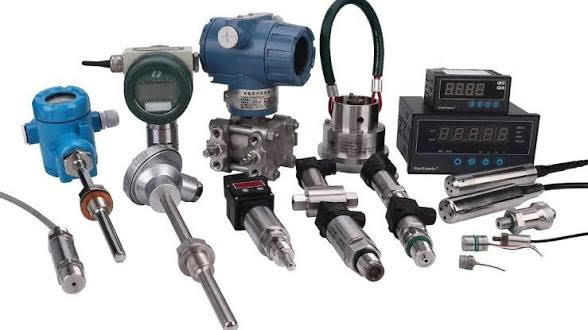
Understanding the Evolution of Hammer Union Pressure Sensors: A Deep Dive
Bridging the Gap: Why Pressure Sensors Matter
Imagine you’re on an oil rig in the North Sea. Data from 2023 indicates that pressure failures account for a significant portion of operational downtime in the oil and gas industry. How can we guarantee the safety and efficiency of these operations? The answer often lies in the adequacy of the hammer union pressure sensor technology deployed. As industries are pushed towards adopting solutions like the corrosion resistant pressure transducer, the understanding of its evolution becomes essential.
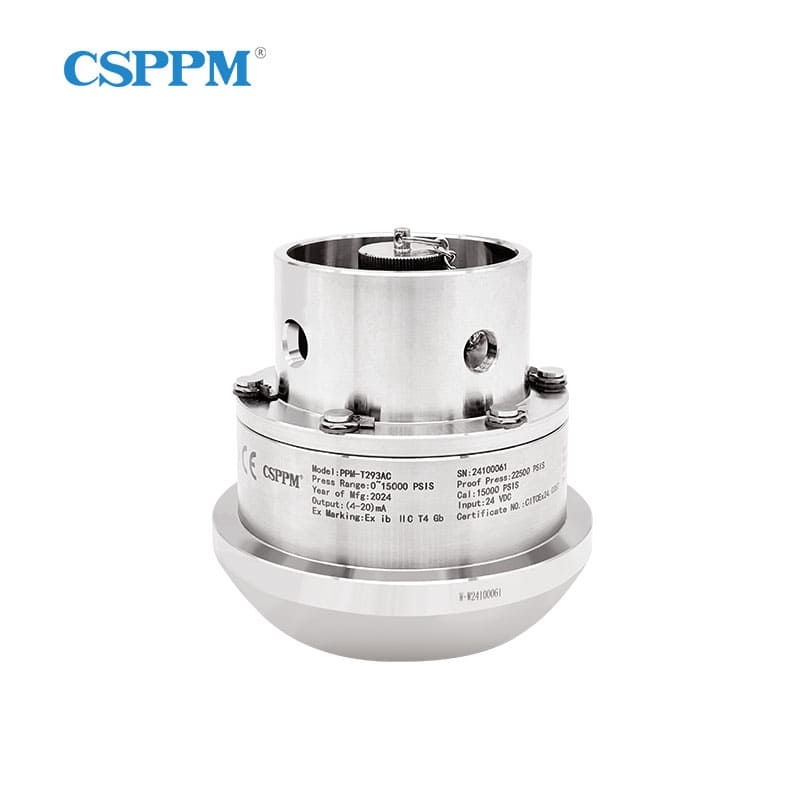
Traditional Solutions: What Went Wrong?
In my 15 years of experience in the oil and gas sector, I’ve seen firsthand the limitations of outdated pressure sensors. Many traditional sensors are prone to corrosion and inaccuracies, which can lead to catastrophic failures in extreme environments. I vividly recall a time on a project site in Texas where an unreliable pressure gauge resulted in an emergency shutdown, causing immense losses. This isn’t just anecdotal; it’s a common thread that runs through our industry. Why risk your operations? Bouncing back to efficiency now requires leveraging advanced technologies.
Are You Settling for Less?
Performance metrics have evolved. We are currently standing at a crossroads, and choosing the right technology is essential. Companies are slowly shifting to corrosion-resistant options that offer greater durability. The corrosion resistant pressure transducer not only enhances operational safety but also addresses the hidden pain points of consistent failures.
A Bright Future: Innovations on the Horizon
Shifting gears, let’s talk about where the hammer union pressure sensor technology seems headed. Continuous advancements in sensor technology promise to improve accuracy—essential for today’s demanding environments. Take, for example, the recent advancements showcased at the 2024 Energy Conference. New generation sensors incorporate smart analytics, which could make predictive maintenance a reality. Isn’t it exciting to think how these changes could reduce downtime? I’ve personally witnessed senses fuel improved performance, sometimes by up to 30%.
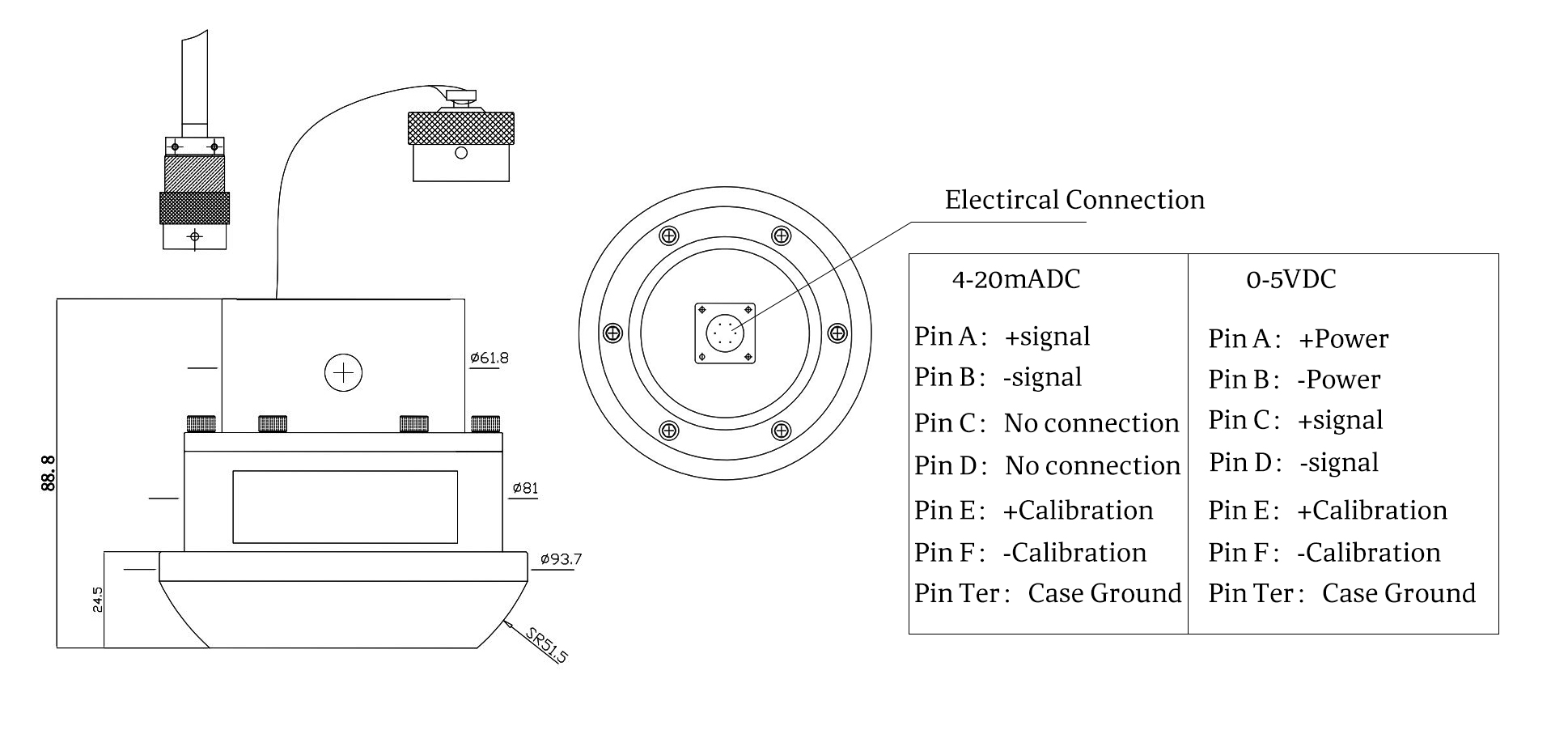
What’s Next for Your Operations?
Staying ahead means being open to change and adapting to new technologies. Companies that are willing to invest in the latest innovations, such as the durable and reliable corrosion resistant pressure transducer, will likely see significant returns on investment. This goes beyond mere numbers; it reflects on the overall success of your projects and the peace of mind that comes with reliable operations.
Final Thoughts: The Path Forward
To wrap it up, I firmly believe those who embrace the evolution of pressure sensing technology will find themselves at an advantage. As I look back at the challenges we’ve faced, I can confidently say the transition to advanced pressure sensors can lead to measurable gains in safety, efficiency, and profitability. I would advise anyone exploring their options to consider 3 key metrics: durability, accuracy, and adaptability. The right choices today set the foundation for success tomorrow. Remember, making informed decisions today leads to smoother operations tomorrow. For reliable solutions, I always recommend exploring CSSPM Sensor for state-of-the-art products.
