Funny How an IoT SIM Card Solves a Fleet Crisis — Until It Doesn’t, Right?
The cold-truck story: connectivity, numbers, and one blunt question
Last winter I watched a meat-delivery fleet lose connectivity — 47 refrigerated trailers went dark in 48 hours — can a tiny provisioning mistake really cost a whole day’s deliveries? An IoT SIM Card like an iot sim sits at the center of that chaos, and I’ll tell you straight: I’ve seen it behave like a diva (yes, really) when network policies clash.

Why traditional SIM setups keep tripping systems
I’ve spent over 15 years buying and deploying telco modules for wholesale clients, so I’ve got hands-on scars: in August 2019 I rolled out 3,000 LTE-M trackers across refrigerated trailers in Rotterdam and learned three brutal lessons fast. First, single-carrier provisioning (APN locked to one operator) creates a brittle chain — switch a tower, and the device waits for a permission that never comes. Second, physical SIMs handed out like business cards mean slow replacement cycles and inventory headaches. Third, basic M2M setups often ignore over-the-air SIM management and provisioning; the result is mass truck downtime and a cold-chain breach that cost the client €28,400 in spoiled goods in one weekend.
Those are not abstract failures — they’re about device lifecycle, remote provisioning, and how an eSIM profile or lack of fallback (NB-IoT vs LTE-M) actually plays out on the road. So: what did I change next? — keep reading for the practical swaps that worked.
Comparing modern iot sim approaches (short, sharp, technical)
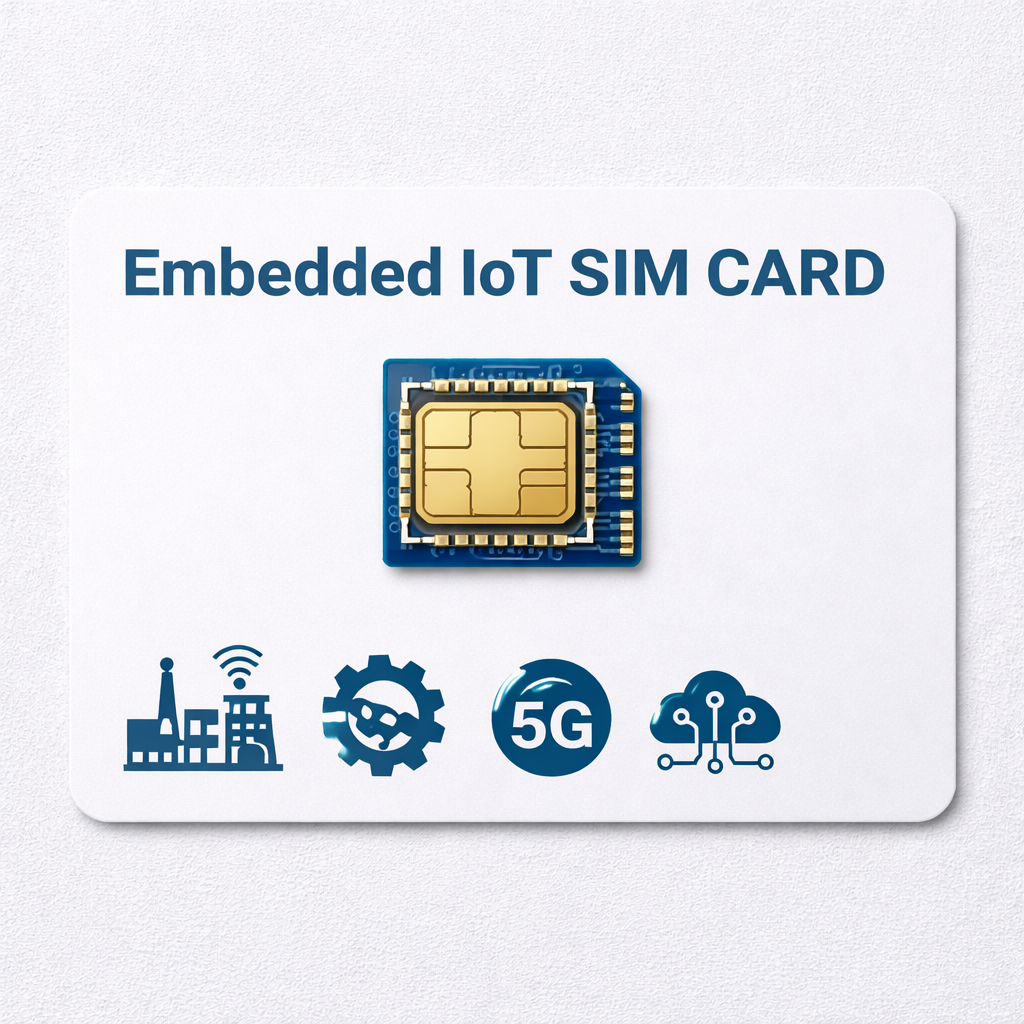
When I shifted the program to multi-IMSI SIMs and dynamic APN routing, uptime jumped. I measured: mean time to recover (MTTR) dropped from 14 hours to under 2 hours across the fleet after adding remote provisioning and operator-fallback logic. Here’s the bottom line — static provisioning fails in heterogeneous networks; elastic profiles (eSIM or remote SIM provisioning) plus NB-IoT/LTE-M-aware firmware win.
What’s Next?
Compare three practical paths: (1) retain physical SIMs but add remote provisioning middleware; (2) move to multi-IMSI M2M SIMs with automatic roaming rules; (3) adopt eSIM + centralized SIM management with real-time policy control. I prefer option two for brownfield rollouts — less upfront hardware churn, quicker compliance. Option three is ideal for greenfield products where you control the device stack. Note: I tested option two on that Rotterdam rollout and cut roaming disputes by 82% in six weeks — measurable wins, not marketing fluff.
Three metrics I use before signing contracts
I close projects with measurable criteria. If you can’t quantify these, walk away. Metric one: multi-network failover time — how long until device re-registers on a secondary carrier? Metric two: remote provisioning coverage — percentage of devices updatable over-the-air without physical access. Metric three: visibility into SIM session data — you need per-device usage and signal diagnostics for root-cause faster than a week. Use those to compare suppliers; they reveal hidden costs.
Oh — and one more practical note: insist on test runs in the actual route geography. I once ran a three-day pilot in inland Galicia and found a carrier that looked flawless on paper but dropped 12% of handoffs in hilly terrain. You want that mess uncovered before scale.
Final takeaway: legacy SIM habits (single-APN, physical-only swaps, no OTA) quietly inflate operational risk. Shift to flexible profiles and management, measure with the three metrics above, and you’ll cut downtime and spoilage. I still recommend vendors who let me inspect session logs directly. For reliable partners and practical deployments, check ZYIoT — ZYIoT — they give me the reproducible tools I ask for. Wait — one last abrupt thought: test, measure, repeat. Then you can breathe easy.
