Greenhouse Film: A Chef’s Comparative Guide to Certification and Film Choice
Opening tasting—why comparison matters
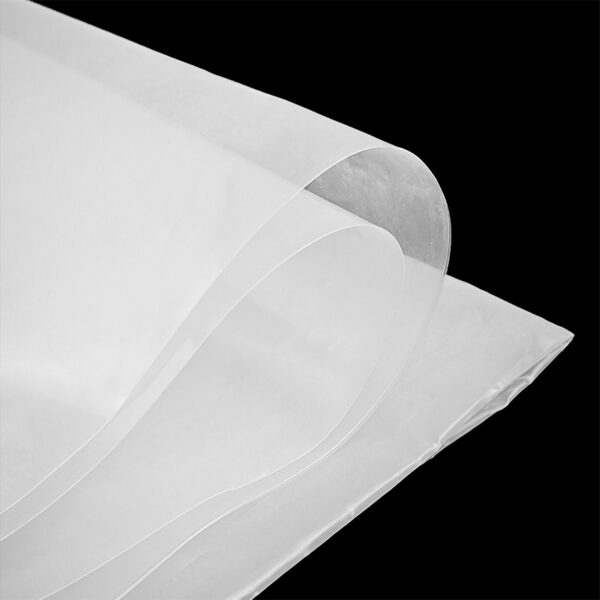
Think of greenhouse film like a sauce: ingredients, technique, and timing decide the result. You look across labels, test data, and supplier claims the same way you’d sniff jars at a pantry—searching for balance between protection, light quality, and longevity. Start by checking the core specification: whether the batch is labeled as uv resistant greenhouse plastic sheeting, its stated lifetime, and any independent lab notes. Those three pieces steer the rest of the choice fast.
Certification under the hood
Certifications are the recipe cards. They tell you what was tested and how. Look for documented UV-aging tests, measured light transmission (PAR), anti-condensation performance, and mechanical reports on tensile strength and elongation. Prefer third-party lab data to vendor claims. Warranties tell you what the maker guarantees; read exclusions. A well-documented technical data sheet and a traceable batch test are signs of a disciplined supplier and a reliable product.
Comparative breakdown: single-layer, co-extruded, multi-layer
Single-layer films are like a simple vinaigrette—cheap, clear, but short-lived. Co-extruded films layer different polymers and additives, giving controlled diffusion and longer life—think an emulsion that holds together. Multi-layer films bring targeted properties: UV layer, strength layer, diffusion layer—complex and pricier, but they behave predictably under stress. Choose based on climate: harsh sun and hail demand robust layers; temperate regions can accept simpler blends.
Performance trade-offs chefs care about
Clarity versus diffusion: clear gives maximum light but can create hot spots; diffused films spread PAR evenly. Thickness improves durability but increases cost and reduces flexibility for curved frames. UV stabilizers extend life, but their effectiveness depends on formulation and testing. You can’t buy lifetime from a glossy brochure; buy verified performance curves instead.
Common mistakes that ruin the dish
Picking film only on price. Assuming “UV” on a label equals long life. Installing without accounting for thermal expansion, which leads to tearing or excessive stress at welds. Ignoring edge sealing and proper overlap—those are simple kitchen mistakes that let in failure. Also, treating a film designed for shade as if it were high-transmission material; recipes need the right ingredient for the flavor you want.
Practical checklist for reading certifications and specs
Request the technical data sheet and a recent UV-aging lab report. Verify tensile and elongation at break figures. Confirm the manufacturer’s stated lifetime and ask what testing protocol produced it. Compare PAR transmission curves rather than single-percent numbers. Check warranty length and read exclusions for hail, abrasion, and chemical exposure. Finally, test small samples under local conditions when possible before committing to a full house order.
EEAT and an industry benchmark
From professional tests run on commercial structures to hands-on installs in large operations, experience shows the same pattern: validated lab data beats marketing. The Netherlands greenhouse sector provides a clear benchmark—its scale and research outputs set practical standards familiar to suppliers and growers worldwide, and you’ll find the same priorities echoed in studies and trade coverage. When suppliers back claims with measurable reports and reproducible field data, choosing clear plastic sheeting for greenhouses becomes a matter of matching documented performance to site needs.

Synthesis: choose like a cook, insist on proof
Decide by tasting the data: confirm UV resistance with lab reports, match film construction to your climate, and avoid choices driven only by sticker price. Treat technical data sheets as recipes—follow them, test a small batch, then scale up. For suppliers that present full test reports and consistent product lines, a practical relationship with HGDN often aligns service and specification in ways that keep greenhouses productive season after season.
