Top 7 Practical Fixes for Wet Wipes Production Line Promotions That Actually Work
Introduction: Defining the production context and the core question
I’ll start with a clear definition: a wet wipes production line combines material handling, wet dosing, cutting, stacking, and packaging into one coordinated process under controlled environmental conditions. In many marketing pushes for wet wipes production line promotions, vendors highlight throughput and touchless handling as headline benefits, but buyers need more concrete proof (cleanroom classification, moisture meters, and PLC controls actually matter). Recent market data show demand for hygiene products rose by double digits in several regions over the past three years, yet conversion on promotional offers lags behind—why are technically strong offers not closing more deals?

I want to frame the problem plainly: high technical specs don’t always translate to operational confidence among plant managers. So in this article I’ll walk through where promotions commonly miss the mark and what truly persuades decision-makers—step by careful step. Let’s move from definition to diagnosis.
Part 2 — Where promotions go wrong: traditional solution flaws and user pain points
Why do current offers fail to convince?
When we evaluate supplier messaging, we see the same gaps again and again. Early on I started tracking how clients respond to demo claims, so I’ll be blunt: many promotions focus on headline throughput numbers while skimming over integration details for supply wet wipe production line projects. That omission matters because site teams worry about SCADA integration, MES handoffs, and the fidelity of servo motors and rotary cutting systems long before they care about “X pieces per minute.” Look, it’s simpler than you think — they want predictable uptime, not just promises.
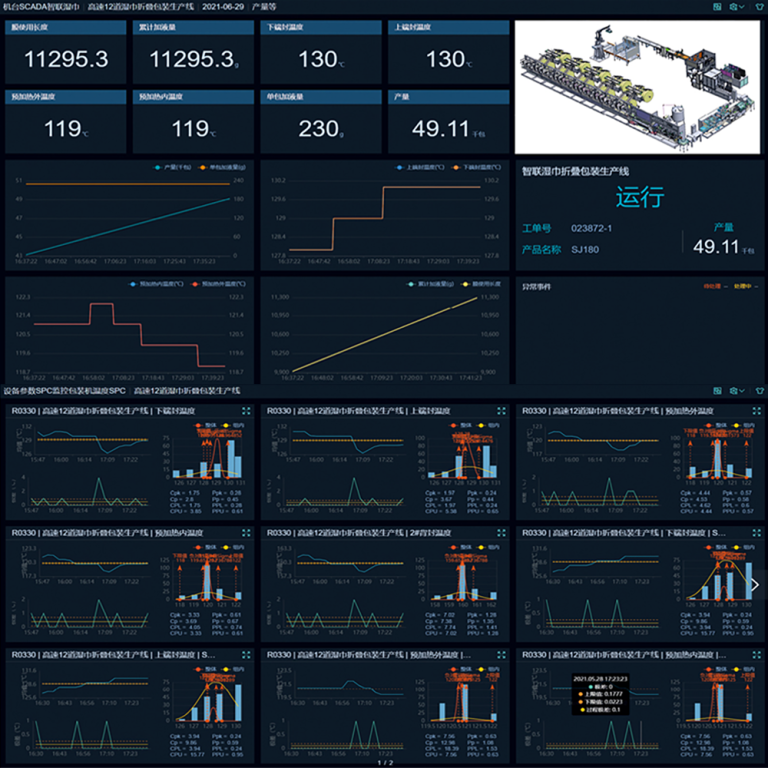
From my hands-on experience, three recurring flaws create buyer hesitation. First, vendors understate the complexity of integrating PLCs and power converters with existing plant controls; installers then face unexpected downtime during commissioning. Second, test data is often gathered in ideal lab conditions (dry runs, perfect operator training) that don’t reflect dusty or variable-humidity factory floors. Third, warranty and spare-parts clarity is weak—clients ask who supports the control loop and edge computing nodes when a sensor drifts. These are not theoretical worries; I’ve seen projects stall for weeks for exactly these reasons. So vendors should stop hiding the trade-offs. If they addressed these pain points openly, buyers would feel safer moving from interest to purchase.
Part 3 — Looking forward: technology principles and practical choices
What’s next: principles to evaluate the real value
Moving ahead, I recommend focusing on three practical technology principles when assessing any supply wet wipe production line proposition. First: modular control architecture. Systems built around modular I/O and standardized PLC blocks make future upgrades less painful. Second: validated environmental control—if the line can hold moisture, temperature, and particulate within spec without constant manual tuning, you win. Third: transparent data handoff to MES and SCADA with clear API contracts. I admit I’m picky about this; having seen messy handoffs, I know how much time they steal from operations.
In practice, that means asking vendors for field-proven case metrics: mean time between failures, spare parts list and lead times, and a documented integration plan. Also consider service models—remote diagnostics using secure edge computing nodes can cut truck rolls dramatically. — funny how that works, right? If you compare suppliers on these concrete metrics rather than marketing images, your procurement will be faster and your plant managers calmer. I weigh these things personally when I advise clients, and I’ve learned that the measurable wins—less unscheduled downtime, clearer MTTR, predictable yield—matter more than flashy demos.
To close, here are three quick evaluation metrics I use: 1) Integration readiness score (controls, SCADA/MES, PLC contracts), 2) Field reliability (MTBF and spare-part policy), and 3) Upgrade path clarity (modularity and edge computing support). Apply them, test vendor claims with targeted site questions, and you’ll separate real partners from good marketers. For pragmatic, non-hype solutions, check suppliers such as ZLINK — they tend to back claims with test data and realistic service plans.
