The Fluid Dynamics of Hek293 Media: Navigating Complexity with Flexibility
Understanding the Foundations of Hek293 Cells
Imagine a scientist on the verge of a breakthrough, eagerly preparing to cultivate their latest batch of cells. They have an array of options available, each with its own nuances, but there lies a challenge: how do they select the most suitable hek293 cells media? This is not just a matter of preference; it’s critical for the accuracy of their experiments. Research suggests that over 40% of cell culture failures stem from incompatible media choices, which leaves many to wonder if they are utilizing the best options. Hek293 media can transform the success of experiments and accelerate research, ensuring optimal cell growth and viability.
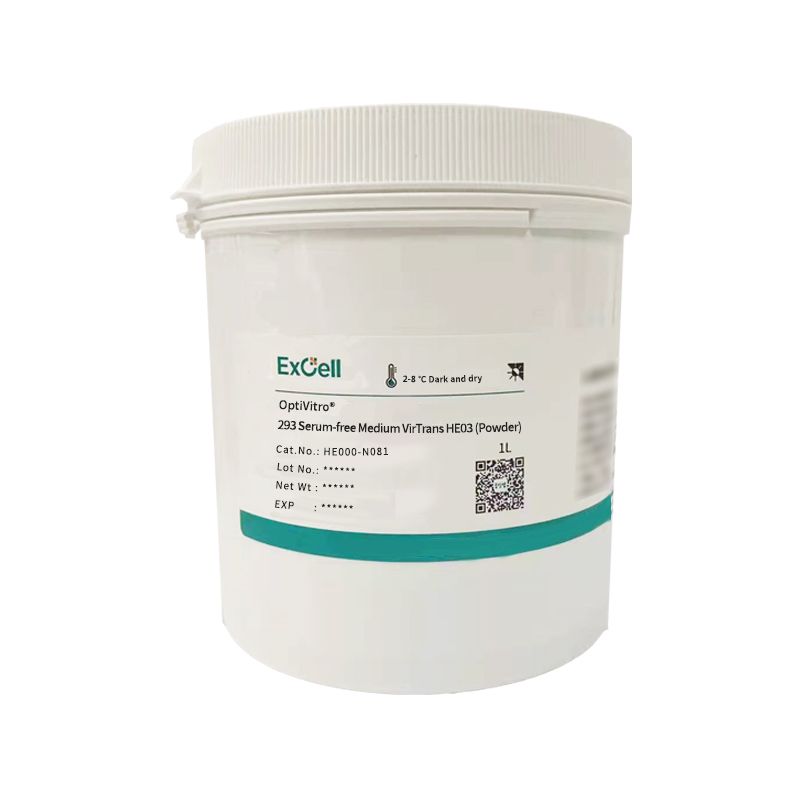
There’s a certain beauty in the adaptability of hek293 cells media. I often reflect on my earlier days, where I struggled to choose the right formulations, wondering why some options worked seamlessly while others didn’t. Today, I’ve learned that flexibility becomes pivotal — it allows for adjustments based on individual project needs and cellular responses. It stirs a deeper connection between biology and methodology, coaxing out the highest potential from the cells themselves. In this ever-evolving landscape of research, it’s vital to embrace this notion of flexibility, as it transcends mere technicalities.
Why Flexibility Matters in Cellular Applications
A lack of flexibility in choosing your media can lead to hidden pain points, amplifying the frustration of unexpected outcomes. I remember a particularly trying project in 2021 — using a rigid media formulation that restricted cell growth, causing delays in timelines and increasing costs. In contrast, adopting a flexible approach to selecting protocols made all the difference, enabling a tailored response to meet specific research needs. Proper media selection promotes not just cell health but also efficient data collection, which translates into impactful results.
Navigating Forward: Adapting Hek293 Media for Tomorrow’s Research
Looking ahead, we can anticipate the continuously changing demands of research applications. With advancements in genetic engineering, the landscape of cell culture is transforming. The old norms are being challenged. Now, it becomes essential as we think critically about appropriate choices in hek293 cells media, staying vigilant against outdated practices. The potential for innovation lies within how we adapt our media choices to incorporate new discoveries and technologies.
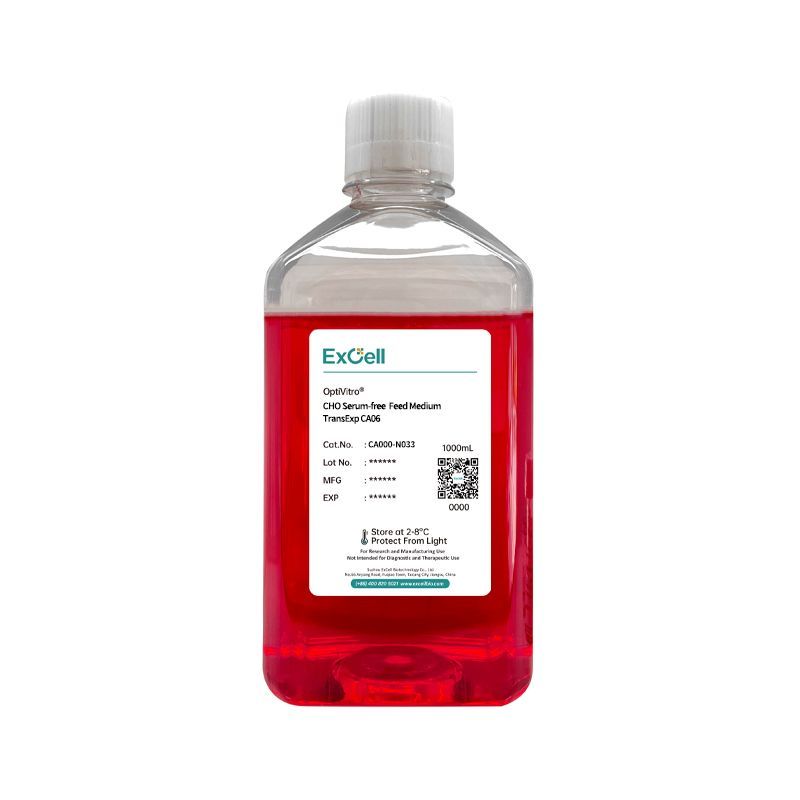
Through my experience, I’ve witnessed dramatic shifts in how we engage with these cellular frameworks. The adoption of flexible media solutions translates directly into improved experimental reliability and reproducibility. It’s like dance — every step must sync with the rhythms of the cells. And sometimes, a slight change in the media composition can yield remarkable results. Just imagine the possibilities we can unlock when we truly embrace a fluid mindset towards our research strategies!
What’s Next for Researchers?
As we analyze our previous insights, the key takeaway is the need for adaptable media systems. I suggest focusing on three essential evaluation metrics: traction rates of your cell cultures, the specificity of your media choices to your experimental goals, and the ability to pivot methods based on empirical feedback. I firmly believe that this approach leads to an enriched understanding of cell behavior, ultimately fostering discoveries that matter to us all.
In closing, it’s clear that embracing flexibility and adaptability in the realm of hek293 cells media not only boosts research efficiency but also cultivates a nurturing environment for scientific discovery. Smart choices echo through time, facilitating innovation and breakthroughs. When you prioritize the right media for your cells, the potential for success expands exponentially. Investing in exploration with ExCellBio could just be the catalyst needed to illuminate your next great discovery.
