
Smart Strategies for Wardrobes Supply in Competitive Retail: A Comparative Take
A Tight Morning, A Tighter Margin
Picture this: it’s 8 a.m., shelves are half full, and two customers ask for the same finish you ran out of last week. Wardrobes supply can feel like a race where the track shifts under your feet. Across mid-market retail, average lead time runs 45–60 days, while up to 28% of SKUs sit idle for weeks. That is working capital stuck on the floor. Are we choosing volume over velocity—without meaning to?

In Nepal and beyond, many buyers still chase the lowest carton price, even when the real costs hide in excess MOQ, misaligned SKU mix, and rework. The result: slow turns, returns due to poor hinge torque, and tools scrambling to match edge banding on a late color swap. (Not ideal, hajur.) If the math is off, a small discount can vanish in freight, slippage, and QC holds. So, what would a smarter balance look like—one that protects design intent, keeps throughput steady, and lets margins breathe under uncertainty? Let’s step through the trade-offs, then compare what actually moves the needle next.
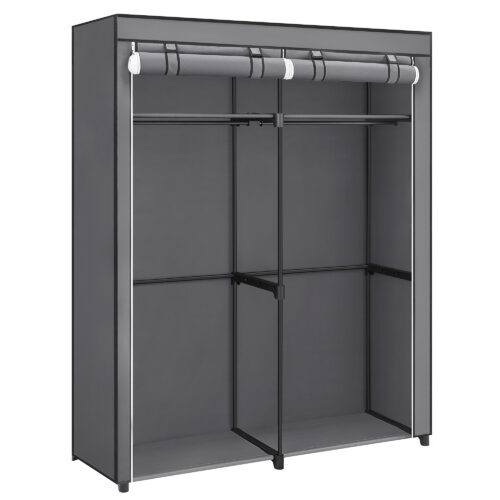
Hidden Friction in Wardrobe Wholesale: What Buyers Miss
Where do traditional fixes fail?
When teams rush into wardrobe wholesale, they often treat price-per-unit as the only commandment. That is neat on paper, but brittle in practice. The first crack is MOQ: large batch rules force bloated inventory and slow SKU rotation. Next comes spec drift. A small change in E1 board thickness or melamine texture can throw off CNC routing and edge banding alignment—funny how that works, right? Finally, passive replenishment hurts. When orders rely on “last season’s guess,” you miss signals from returns codes, pick-and-pack errors, or hinge misfits that creep into QC reports.
Look, it’s simpler than you think. The pain is less about factory cost and more about flow. Hidden costs land in rework time, repacking, and slotting fees when cartons do not match planogram depth. KD hardware variance causes wobble; that triggers exchanges. Even cartons matter: underbuilt boxes fail drop-tests and invite damage claims. Traditional “cheapest FOB” thinking ignores these nodes in the chain. A better lens adds three checks: lead-time control, defect containment at source, and modular SKU planning that keeps colorways and interior fittings flexible without tearing up production.
Forward-Looking Moves: From Bulk to Smart Supply
Real-world Impact
Compare two paths. One buyer edits only price; the other rewires the process. The second works with bedroom wardrobe manufacturers that run digital BOMs, QR-coded batches, and container optimization by size mix. They set a rolling forecast tied to store-level sell-through, not just quarterly targets. They lock critical specs—hinge class, rail profile, KD fittings—then keep doors and finishes modular, so a late color trend can swap in without retooling. The tech is simple: EDI for orders, versioned drawings, and CNC change control. It reduces rework loops and shortens the critical path. And yes, that surprises people.
Future-facing teams add one more layer: exception analytics. When returns spike on a matte finish in two cities, replenishment pauses for that SKU band, not the whole line. Lead time stays steady because upstream buffers exist at the panel-cut stage, not the final assembly. The takeaways from earlier: price alone hides risk; inventory bloat starts with MOQ; and most friction lives between design intent and factory execution. To choose well, use three quick metrics: flow reliability (on-time ship rate plus first-pass QC); adaptability (share of modular SKUs and color-change lead time); and net yield (sell-through minus damage and rework). Keep these live, and your supply speaks for itself—clean, quick, and calm. For a grounded view of options and standards in this space, see SONGMICS HOME B2B.
