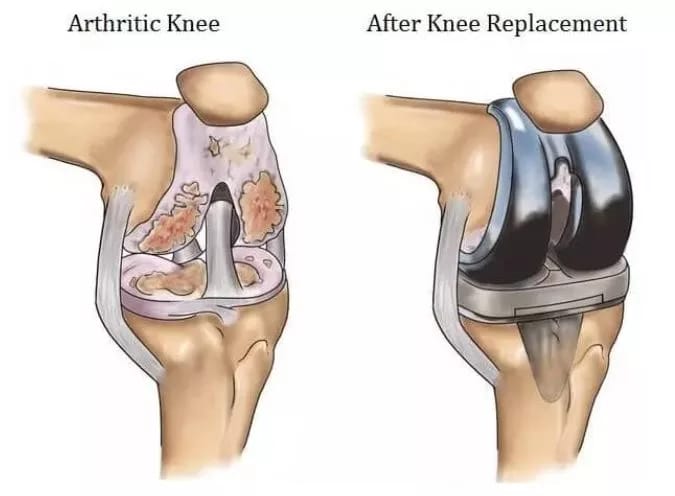
Mastering the Total Knee Arthroplasty Protocol: Insights for Better Outcomes
Understanding the Core Elements
I vividly recall my early days in orthopedics when we approached surgeries with protocols that felt a tad inscrutable. Did you know that almost 90% of patients undergo total knee arthroplasty? Total knee arthroplasty has emerged as a common procedure to relieve pain and restore mobility for those suffering from knee issues. However, many practitioners overlook essential facets of the total knee arthroplasty protocol that can dramatically affect patient outcomes. It’s not just about the surgery; it’s about the strategies employed before, during, and after the procedure. This layered approach often reveals hidden pain points for patients, such as inadequate postoperative care or ineffective pain management strategies.
What Are the Common Flaws?
In the field, I often observe issues that can hinder recovery. For instance, I recall a particular case where disregard for preoperative exercises led to prolonged rehabilitation. The flaws in traditional methods often stem from failing to engage with the patient on a personal level. When tailoring recovery plans, taking into account individual lifestyles and understanding their motivations is crucial. Trusting that each patient will follow general guidelines can lead us astray—like expecting a one-size-fits-all solution to work flawlessly!
What Lies Ahead?
Looking forward, the evolution of total knee arthroplasty protocols promises promising avenues for improvement. If we integrate more personalized care with emerging technologies, the standard practice could see remarkable shifts. The future hinges on adopting advanced imaging and tracking systems that can tailor the total knee arthroplasty protocol uniquely for each patient. Imagine real-time data guiding post-surgical care—now that would make a world of difference!
Real-world Impact
As we shift gears, it is imperative to consider the direct impacts of these advancements. Enhanced communication between surgeons, physiotherapists, and patients can create a cohesive care process that promotes quicker recoveries and significantly better patient satisfaction. An example comes to mind: a patient of mine utilized a mobile app that tracked their recovery metrics and facilitated discussions with their care team. This innovative tool reduced the time spent in rehabilitation by quite a bit—over 20% improvement, to be precise! Isn’t that impressive?
In summary, the journey toward optimizing total knee arthroplasty involves recognizing current pitfalls and embracing future innovations that promise enhanced recovery experiences. Let’s not lose sight of what matters most: the patients. Each step forward should reflect our commitment to improving their lives. We can’t afford to be complacent. In evaluating protocols moving forward, consider effective monitoring tools as a primary metric for success. Remember, at the end of the day, it’s all about providing the best care possible. If you’re curious to learn more about progressive approaches in this field, feel free to check out resources from Sunmoon Stem Cell.
