Choosing Cleaner Lines: A Comparative Guide to Welding Fume Extraction in Automotive Manufacturing
Introduction
Have you ever stood beside a welding cell and wondered how much of that haze is creeping into the cabin of nearby machines? In automotive manufacturing welding fume extraction, the air quality at the point of weld often defines worker safety and process stability. Recent shop-floor audits show particulate levels that still exceed recommended limits in many plants (up to 3–4 times higher near manual stations), so what can we actually do differently? I want to set a practical scene: short runs, mixed alloys, and a dozen spot welds an hour—then add numbers and a choice. How do you balance cost, compliance, and real-world usability while keeping production moving? Read on for a clear, hands-on look at problems and the better ways to tackle them.
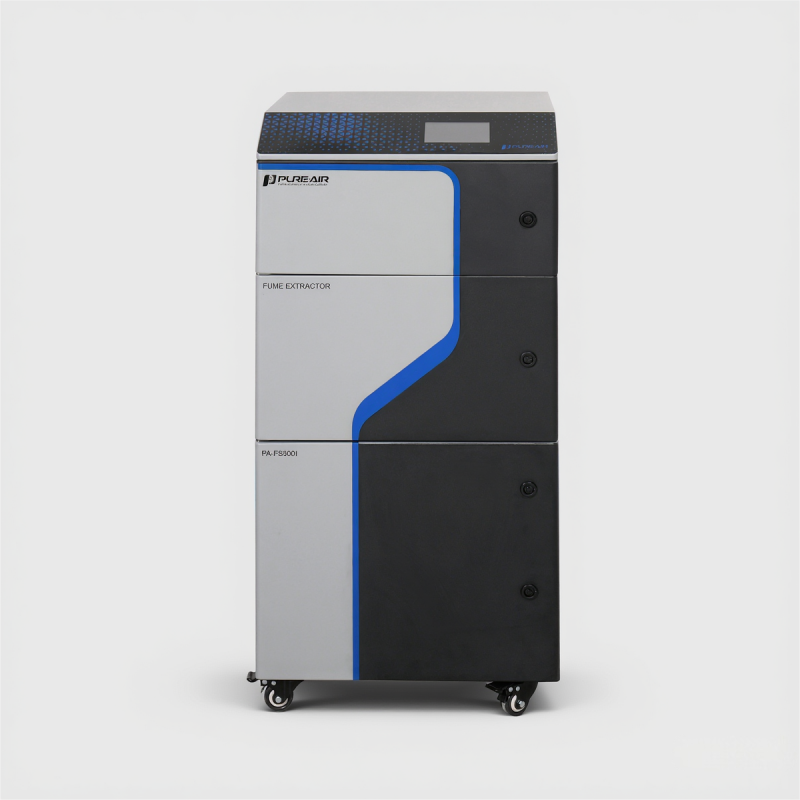
Traditional Solution Flaws and Hidden User Pain Points
When teams reach for generic systems, they often choose off-the-shelf welding shop fume collectors that promise “capture-all” performance. In practice, these units underperform because they assume uniform weld types and simple airflow patterns. I’ve seen downdraft tables that fail at corner welds and fixed hoods that create turbulence rather than capture. The key industry terms here—particulate filtration, HEPA filters, and downdraft tables—aren’t optional jargon; they point to real technical gaps. For instance, a HEPA-rated unit placed poorly still allows ultrafine particles to escape. Look, it’s simpler than you think: without matched capture velocity and correct hood geometry, you lose efficiency and waste energy via overpowered fans and oversized power converters.
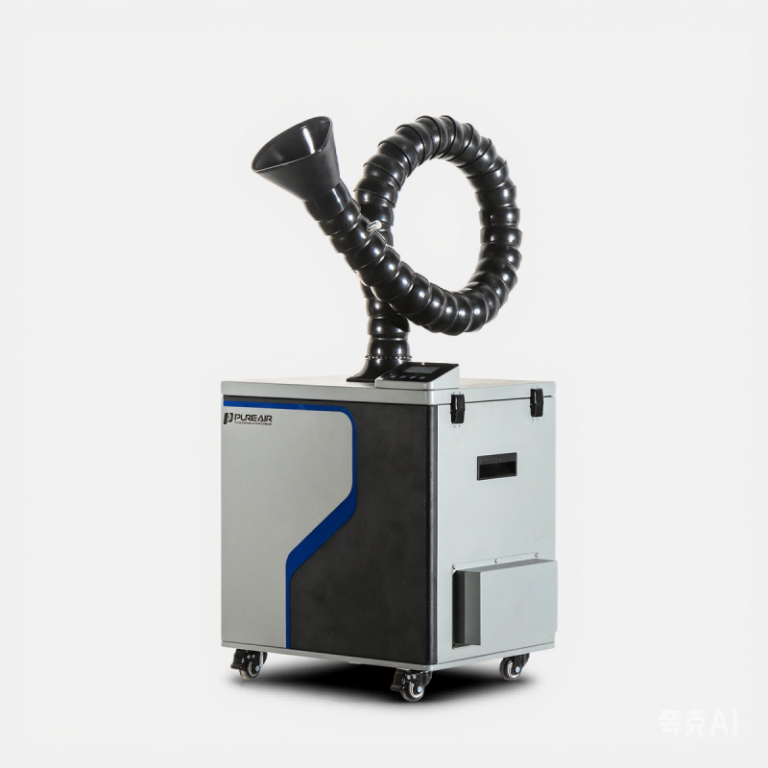
Hidden user pain points go beyond numbers. Operators complain about noise, restricted sight lines, and filter-change downtime. Maintenance teams battle clogged pre-filters while line managers juggle production targets and air-quality compliance—there’s real frustration. Edge computing nodes and basic sensor suites could help by flagging capture failures early, but legacy systems rarely integrate them. I feel that decision-makers often underestimate the human factor: awkward tooling, poor ergonomics, and complex filter handling drive workarounds. Those workarounds then create hot spots for exposure. So the technical flaws and the user pains are linked. Fix one without addressing the other and you get marginal gains at best.
What’s the root cause?
In short: mismatch. Mismatch between capture design and weld type; between maintenance cycles and filter life; and between monitoring needs and available data — funny how that works, right? We can stop the blame game and start matching equipment to real tasks.
New Technology Principles and Forward-Looking Comparison
Looking ahead, I prefer solutions that combine smarter capture geometry with adaptive airflow control. Modern welding shop fume collectors can pair variable-speed fans with localized hoods and simple sensor feedback. That synergy reduces energy use and keeps capture velocity within the sweet spot for different weld types. We should consider particulate filtration stages that separate coarse debris first, then protect HEPA modules—this lowers maintenance time and total cost of ownership. Also, integrating edge computing nodes for local trend detection makes alarm thresholds meaningful instead of noisy. Short sentence. Then continue: the result is safer air, fewer interruptions, and predictable filter life.
Compare two real setups: one with a fixed hood and oversized fan; the other with a modular collector, adjustable-nozzle capture, and a basic sensor array. The modular approach won in exposure tests and in operator surveys. I’ve watched teams adopt adjustable nozzles quickly because they give control back to the welder. They felt empowered. The payoff: lower respirable particulate counts, less downtime, and fewer emergency filter swaps. If you want a quick rule—choose adaptability over brute force. — and yes, that sometimes costs a bit more up front, but life-cycle gains are real.
What’s Next?
To finish, I’ll give three practical evaluation metrics I use when comparing systems. First: capture efficiency at the weld arc — measured, not claimed. Second: maintainability — filter access, change intervals, spare-part commonality. Third: data readiness — does the system offer basic sensor outputs or is it a black box? Those three lenses reveal whether a system will work on your floor or just look good on paper. I believe in measurable outcomes and simple checks. When you apply them, you separate marketing from real performance. For guidance and reliable products that align with these principles, consider options from PURE-AIR.
