Steering Toward the Future: A Closer Look at Tractor Autosteer Systems
A New Way to Steer
Imagine you’re navigating a field on a sunny afternoon, the drone of the tractor engine humming a steady rhythm. According to recent studies, farmers might improve efficiency by over 20% when using advanced systems. The question remains: are traditional methods capable of keeping up with today’s demands? Enter autosteer for tractors, which is leading the way in precision agriculture.

Understanding the Limitations of Traditional Steering Solutions
We all know that maintaining straight lines in the field can feel like a chore — one that often gets the short end of the stick. Until recently, farmers relied on manual steering or basic GPS systems, which come with their own host of problems. These traditional methods can result in uneven crop distribution and wasted resources. A neighbor of mine, in 2019, spent hours trying to adjust his rows only to end up missing spots. It was frustrating to hear him vent about the endless back-and-forth. (Not to mention the increased fuel costs!)
What Are the Hidden Costs?
The hidden pains with older systems are considerable. For instance, the inconsistent width between rows can lead to both over-application of fertilizers and wasted time. So, while the initial investment in autosteer for tractors might seem steep, it’s actually a long-term solution that pays off. Think of it this way: what’s more costly in the end — technology or the extra inputs caused by mistakes?
A Forward-Looking Overview of Precision Steering
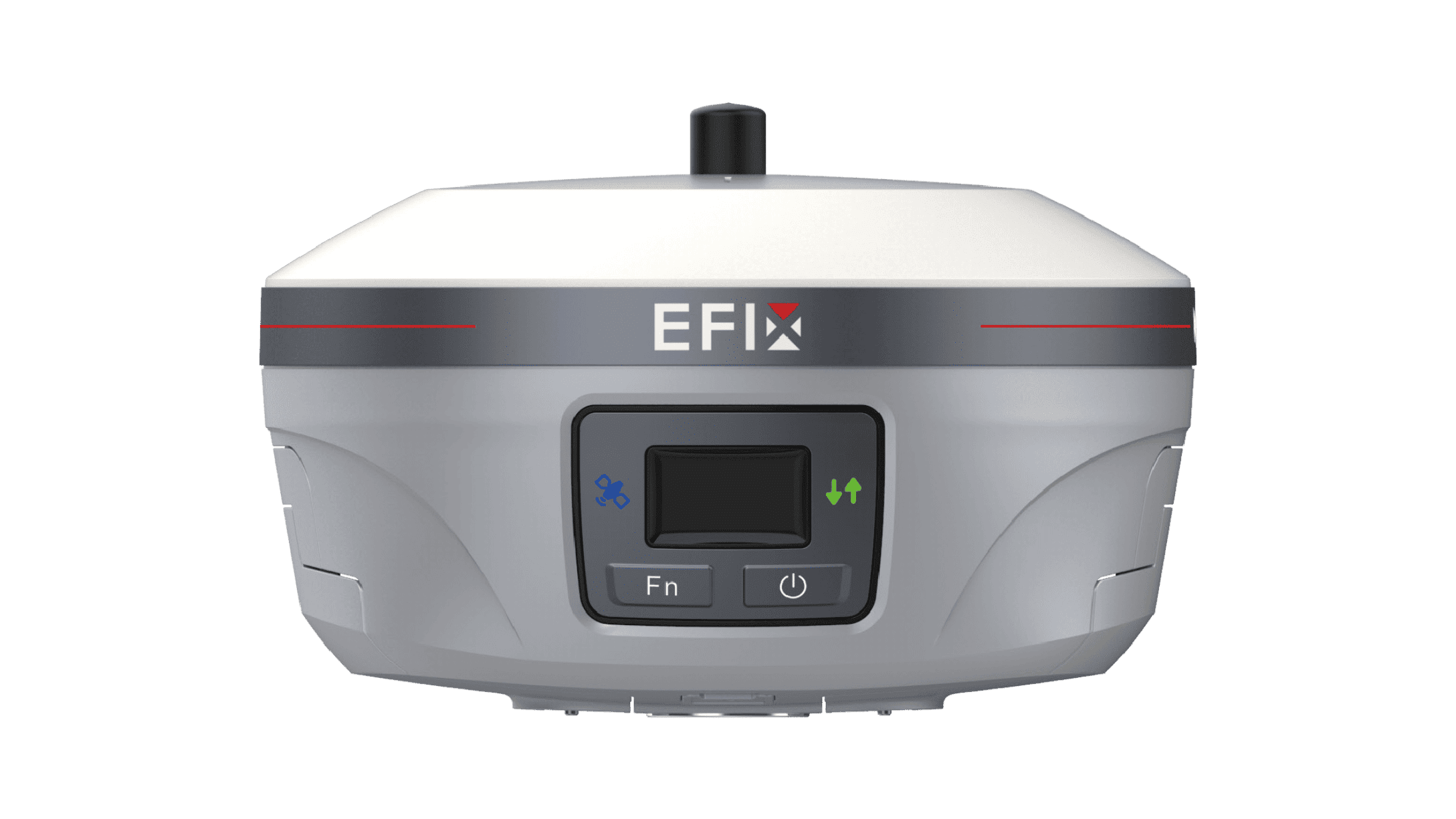
Looking ahead, the agricultural landscape is poised for transformation as precision steering technology matures. Compared to traditional methods, systems like autosteer for tractors are not just bells and whistles; they contribute real outcomes. As I think back to my own experiences last season, I realized how much easier my work became when I switched to an autosteer system. For me, its efficiency felt almost like magic — a seamless transition from manual labor to machine precision. This forward-thinking approach paves the way for better yields and lower environmental impact.
Real-World Impact
The implications extend beyond mere convenience. The ability to reduce overlap during planting saves not only seeds but also reduces run-off and nutrient leaching into local waters. In my travels through farming communities, I’ve seen firsthand how the adoption of such technology transforms operations — fewer resources wasted, and healthier crops produced. (I can’t stress how refreshing it is to see sustainability in action!)
Lessons Learned and Key Evaluation Metrics
As I reflect on my journey with tractor autosteer systems, I see the clear benefits and lessons learned. For anyone evaluating this technology, consider these three key metrics: performance precision, user-friendliness, and ongoing support. Ensuring that the system integrates smoothly into existing equipment is vital — I’ve seen systems fail simply due to compatibility issues. Ultimately, the right choice can redefine your operational efficiency and environmental footprint.
Technology in agriculture isn’t just about making things easier; it’s about making better choices for our land and future generations. If you’re still on the fence, I urge you to explore how brands like EFIX can make that leap into a sustainable and efficient future a reality.
