7 Ways to Deploy Sky Laser Systems More Effectively—No Guesswork Needed
A Quick Reality Check on Sky Lasers
We’ve all been there—tight setup window, the wind picking up, and the crowd already lining the street. The sky laser looks flawless on the floor, then the first cue hits and the beam drifts. In field notes I’ve seen, more than a third of show issues trace back to heat creep, shaky mounts, or sloppy power rails. So here’s the kicker: we brought a 60w laser light to fix reach and punch, but the old rig habits stayed. The result? Soft edges, lost throw, extra glare on low cloud. Beam divergence climbs fast when optics get dusty, and weak power converters add ripple that throws galvanometer timing off (tiny, but it shows on long shots). Does your team treat mount stability and thermal management like the main act—or just pre-show checks?
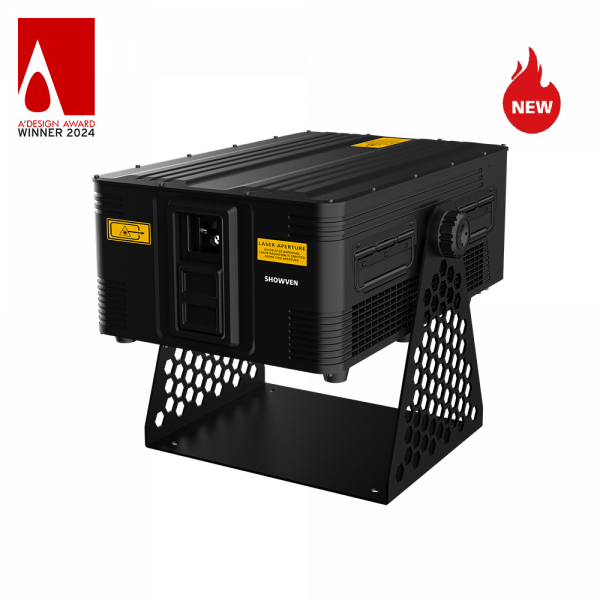
I’m laying this out plain because the numbers keep pointing the same way, job after job. If your duty cycle runs hot, brightness fades before the finale—funny how that works, right? And if your signal patching has noise, you get jitter just when you need a clean logo in the sky. The question is simple: what problems are real, repeatable, and fixable today? Let’s break that down and set the stage for smarter choices next.
Hidden Pain Points When Running a 60W Beam
What keeps a clean beam?
Look, it’s simpler than you think. The biggest hidden pain point with a 60W class unit is not “power,” it’s control. A 60w laser light gives headroom, but if the scan field is too wide, beam divergence expands and your skyline punch vanishes. Over-drive your galvanometer scanners, and edges smear during fast sweeps. Under-power your PSU, and ripple shows up as flicker at distance. Many crews still rely on “seat-of-the-pants” focus, not measured optical path alignment. That’s the trap. Add dust on the output window and thermal soak after 20 minutes, and your crisp line becomes a fuzzy bar.
Another silent killer: cable runs and grounding. Long runs without proper shielding invite EMI, which can nudge timing and mess with TTL/analog modulation. Heat is next; bad airflow means thermal management fails, and the beam “breathes” when housings expand. Then there’s setup drift—mic stands and DIY clamps are not mounts. You need rigid brackets, vibration damping, and a clear stop for re-aim checks. One more tip: tune for duty cycle, not just peak power. Save the sizzle for cues. Your eyes and sensors will thank you—and your skyline will stay crisp past the encore.
Comparative View: New Principles vs. Old Habits
What’s Next
Here’s the forward look, and it’s practical. Old habit: push more wattage and hope for reach. New principle: stabilize, condition, and compute at the edge. When you treat the laser head like a smart node—adding edge computing nodes for real-time feedback on temperature, voltage, and scan speed—you catch drift before the audience does. Compared to legacy rigs, a tightened optical path, sealed IP-rated housings, and smarter power converters cut artifacts more than “just add watts” ever did. This holds even when your unit doubles as a laser for building façades and skyline hits. Why? Because scan coherence and thermal headroom protect clarity under changing wind and haze. Small changes—firmware limits on scan angle, active fan curves, and preheat cycles—prevent high-load sag. And yes, a clean PSU bus matters as much as lens polish.
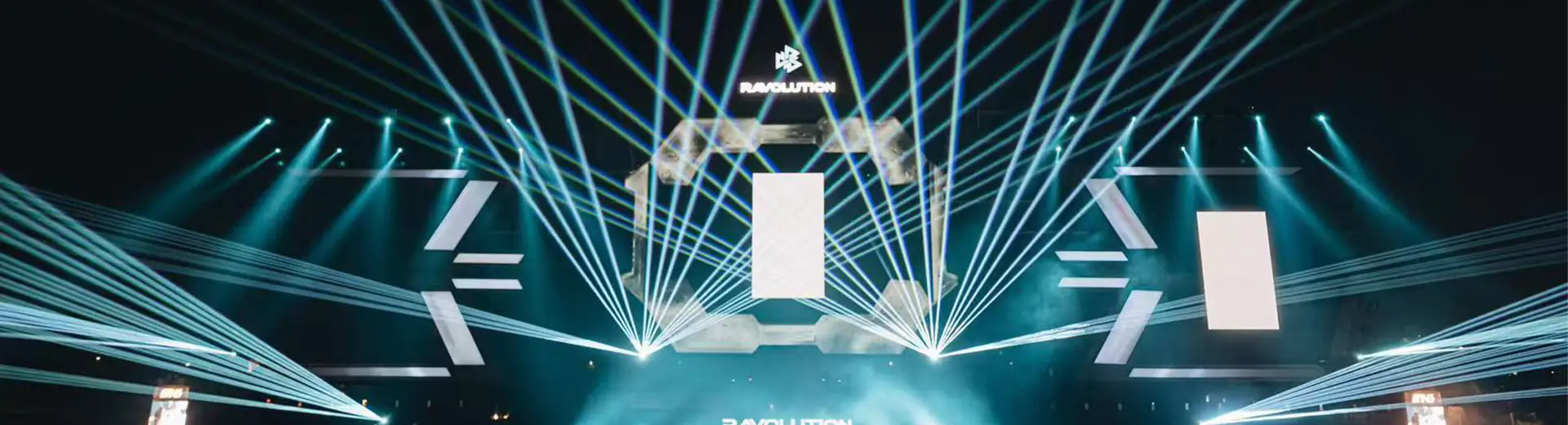
Case-in-point: one downtown show swapped improvised stands for low-profile, damped mounts and added inline filters on AC. Same 60W engine, different outcome—tighter logos, better cloud punch, fewer restarts. That’s the comparative takeaway. The watt number looks big on paper, but consistency wins in the air. So let’s close with three quick checks you can use on any rig (big or small)—because a solid checklist beats a lucky night.
Advisory close—three metrics to choose smart: 1) Stability Index: does the mount and housing hold aim within 0.1° over 30 minutes at show temp? 2) Signal Integrity: can your control line keep clean modulation across full scan speed with no EMI spikes? 3) Thermal Budget: after a five-minute high-duty cycle, does power recover to baseline within one minute (no thermal sag)? Nail those, and the skyline speaks for itself—no excuses. For more technical grounding and spec clarity without the fluff, see Showven Laser.
