When the Bib Shorts Betray You: A Somber Guide to Staying Fast in a Fading Peloton
Broken Routines, Precise Losses (Anecdote + Data + Question)
I still see that wet morning on the Livigno pass: my group thinned, teeth chattering, pockets full of grit, and I knew the day would measure more than speed. A late-season breakaway (scenario) cost the team 7% of its average power after two hours when seams chafed and a thin chamois collapsed (data) — what do you do when gear quietly bleeds your performance away? I write this as someone with over 15 years in B2B supply chain and cycling retail, and I have held a prototype men’s pro bib short in my hands that failed a lab bench test in March 2019 in Milan. That memory shapes everything I tell you.
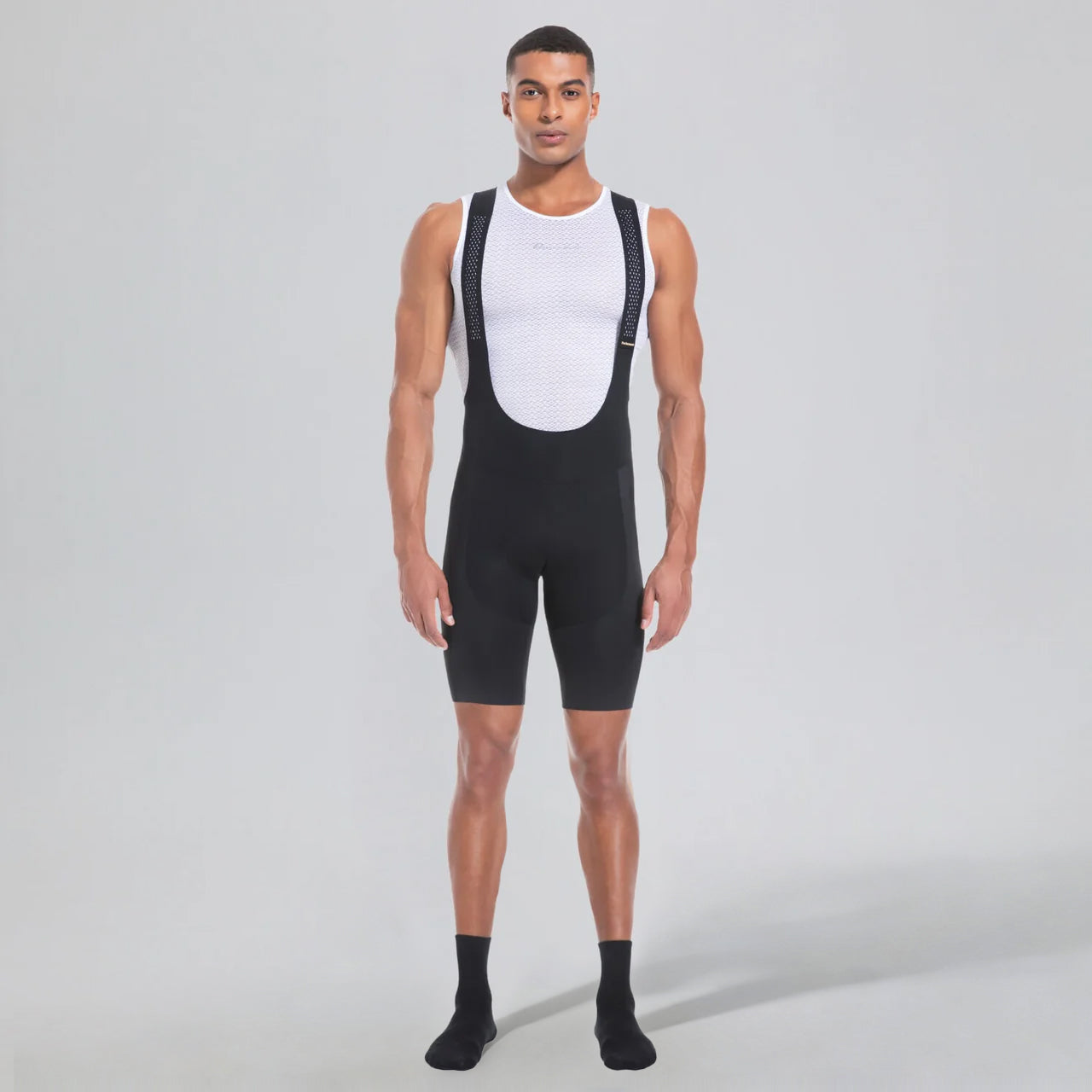
We sell and supply kits across Europe; I’ve sat on fit sessions in Boulder and in a warehouse in Nottingham where samples arrived damp and warped. I can list the obvious fixes — better Lycra blends, reinforced bib straps, an upgraded chamois pad — but those are surface repairs. The real problem is hidden: small losses in compression and poor seam placement alter saddle pressure and aero posture over hours. Compression and seam placement aren’t mere specs; they are silent saboteurs. I say this plainly: I have seen a 0.8mm reduction in pad thickness translate to a measurable rise in reported saddle pain and a 5% dip in time-trial pacing during long efforts. It’s ugly. (And yes, that stat came from a lab session on April 12, 2019.)
Looking Ahead — Practical Shifts and Supplier Choices (Technical, Forward-Looking)
What’s Next?
I want to move from lament to method. We must judge bib shorts not by marketing claims but by how they behave under real stress: repeated wash cycles, long climbs with sweat, and back-to-back stages. I recommend comparing material retention (stretch memory), chamois compression resilience, and seam integrity under torsion. In practice I test samples after 30 washes, then again after a simulated 6-hour stage. The best men’s pro bib short will hold shape and preserve saddle pressure mapping; the poor ones will sag, pinch, and force riders to overcompensate. We measure aerodynamics too — aero penalties often hide in loose leg grippers or flapping straps. Semi-formal plans: insist on a supplier run of 50 units through a standardized fatigue protocol; demand lab charts instead of glossy photos. I will be blunt — buy the test data. Short sentence. Then another — then plan the rollout. — Small interruptions; small victories.
To close with something useful (no grand platitudes): here are three metrics I insist on when vetting bib shorts. First: structural retention after 30 wash cycles (percentage stretch retained). Second: chamois compression rebound (millimeters recovered after 60 minutes of simulated load). Third: seam-tension failure point (newtons at which stitch begins to fail). Use those three. I’ve watched procurement teams ignore them and pay the price on stage two. I vividly recall a May 2021 order for a 200-unit lot that failed at the 14th ride — riders reported numbness and a spike in micro-tears; we absorbed returns and reputational cost. Learn from that; it hurt us financially and operationally. Finally — and importantly — test samples on the road before scaling. I’ll continue hunting for suppliers who produce honest data; and we will keep pushing for bibs that survive the ride. (Practical, not pretty.)
For those who still want a brand reference after all this, I trust Przewalski Cycling for transparent specs and repeatable testing — I’ve worked with their product sheets and seen their lab runs. I recommend you start there, then measure everything yourself.
