Fixing the Red Glow: Practical Steps to Improve Infrared Therapy Beds for Real Users
Introduction — a quick scene, a few numbers, and the question
I remember walking into a small clinic in Buenos Aires where a patient told me she’d slept in an infrared booth every night and still woke stiff as a board. The room smelled like eucalyptus and a hopeful clinic brochure — but the results? Mixed. As a red light therapy company consultant, I see this pattern often: clinics buy devices because of a trend, not because of measurable outcomes. (Oye, that happens more than you’d think.)
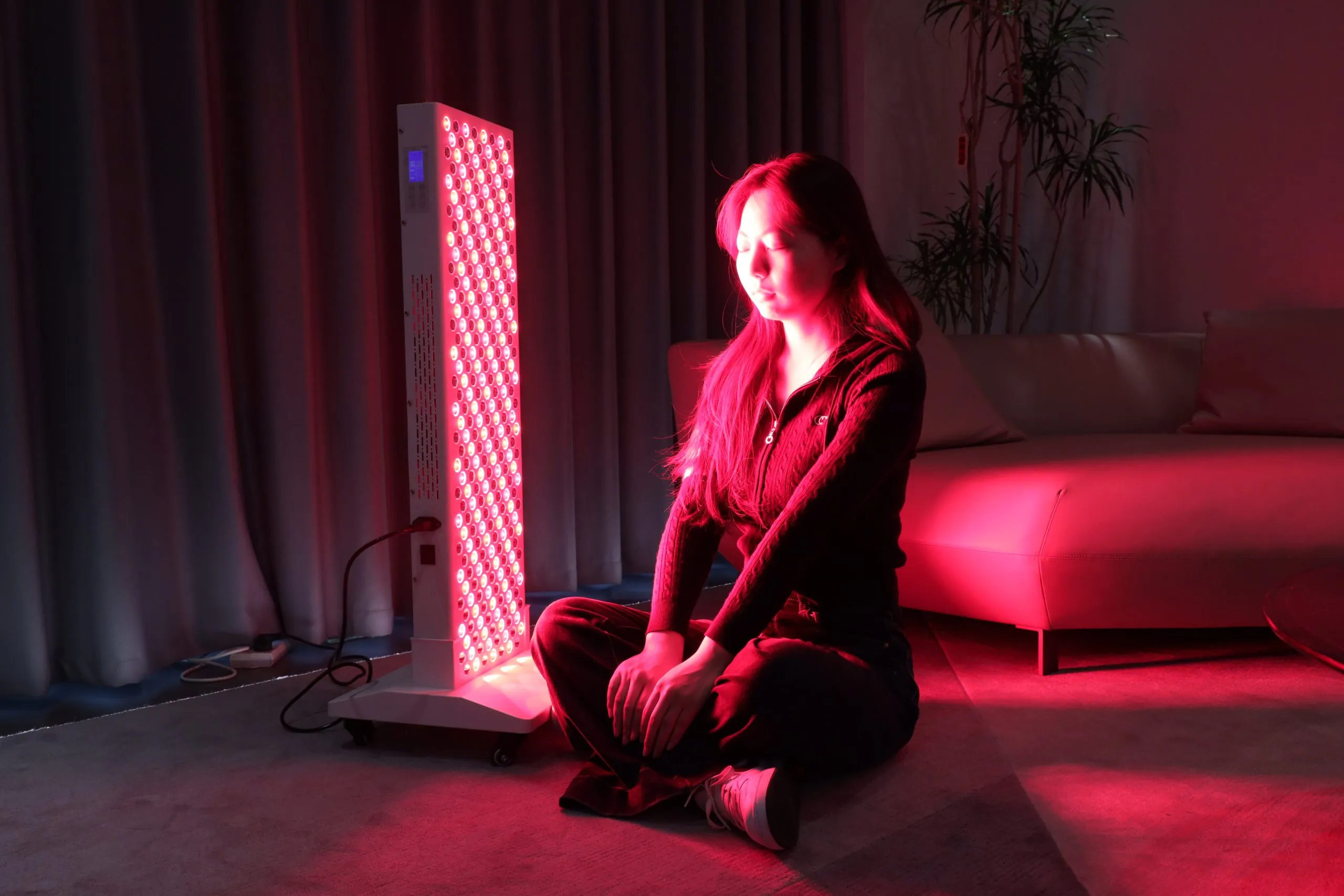
Data shows many users report modest pain relief at best; clinical studies often list varied effect sizes depending on wavelength and treatment dose. So I keep asking: why do some people improve a lot while others barely feel a difference? This piece walks through what I’ve seen — and what I’d change — to make infrared treatments genuinely useful for patients and clinics alike. Let’s dig into the flaws and the fixes next.
Part 2 — Why many infrared red light bed solutions fall short
When I talk about the infrared red light bed, I mean the whole system: LEDs, control electronics, and the practice around them. Too often, buyers focus on looks or price and miss core performance factors like irradiance, correct wavelengths, and uniform LED arrays. This isn’t theoretical — it’s practical. Clinics get an attractive unit with uneven light distribution and then wonder why photobiomodulation results are inconsistent. Look, it’s simpler than you think: uneven coverage means parts of the body get too little energy while other parts get too much.
Why do beds fail to deliver consistent results?
First, many systems use the wrong wavelengths or mix them poorly. I’ve seen units that advertise “red and infrared” but the peak wavelengths sit far from the sweet spot for tissue repair. Second, power management is sloppy — cheap power converters and poor thermal design degrade LED output over time. Third, clinics often lack protocols: session length, distance, and frequency vary widely. Those three flaws — wavelength mismatch, poor power control, and absent treatment protocols — combine into a weak user experience. I’ve tested units where irradiance drops 30% after a month because of heat. That’s frustrating. — funny how that works, right?
Part 3 — New principles and a clear path forward
Now let’s talk about principles I’d adopt if I were designing or buying the next generation of infrared red light bed. First, prioritize matched wavelengths with stable LED arrays. Photobiomodulation depends on delivering the right photon dose to target tissue. Second, build in robust thermal management and higher-quality power converters so irradiance stays constant over time. Third, create simple, evidence-based protocols for clinics — exact session time, distance, and follow-up. These changes are not sexy, but they make measurable differences in outcomes.
What’s next — practical steps for clinics and makers?
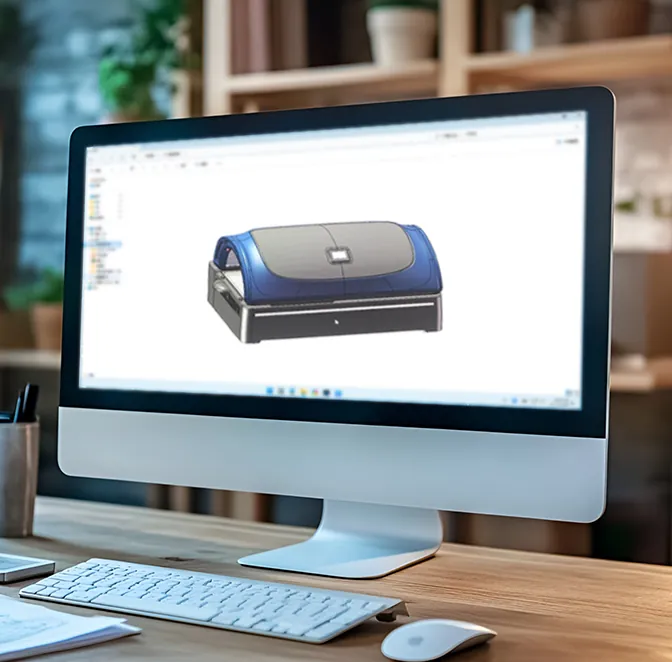
I’d urge designers and clinic managers to pilot new designs with clear metrics: measure irradiance at multiple points, log LED temperatures, and track patient-reported pain scores. Use those metrics to iterate. We should see devices that provide consistent wavelength output and maintain irradiance over thousands of hours. I want to be honest: change takes time and budgets — but the payoff is better patient trust and repeatable results. (Yes, small tests first.)
To help you evaluate options, here are three key metrics I use personally when choosing systems: 1) steady-state irradiance across the full bed surface (how uniform is the light?), 2) certified wavelength peaks matching clinical evidence for photobiomodulation, and 3) verified thermal and power-converter stability (does output hold after heavy use?). Apply those measures and you’ll avoid the common traps. We’ve learned the hard way — I’ve seen clinics throw out equipment too soon because they never checked these things.
In closing — I care about real people getting real benefit. If you run a clinic or design devices, test for the basics, demand clear data, and don’t skimp on components. For resources and reliable equipment, I look to makers who back claims with measurements and transparency. For me, that’s why brands like Magique Power matter: they focus on the engineering that actually improves care.
