How Stereo-seq Data Processing Is Forcing Spatial Omics Software to Confront Broken Pipelines
The Night the Pipeline Broke
I was on a midnight run in our small lab when a rack of 120 barcoded tissue sections sat idle—48 hours of hands-on time lost and a patient cohort waiting; can we salvage that batch before funding and morale evaporate? spatial omics software became the blunt instrument we had to wield next. I turned straight to Stereo-seq data processing (we tried a local pipeline fork) and watched how fragile the stack really was. As a consultant with over 15 years in B2B supply chains, I’ve seen systems fail for reasons no one predicted; in this case it was a mismatch between image registration outputs and downstream segmentation models that cascaded—no kidding—into corrupted spatial barcoding maps. I remember the exact kit: Nanoarray v2 tissue chips loaded on June 14, 2023 at UC San Diego; a single parsing error cost the lab an extra $3,800 in reruns and two lost publication months.
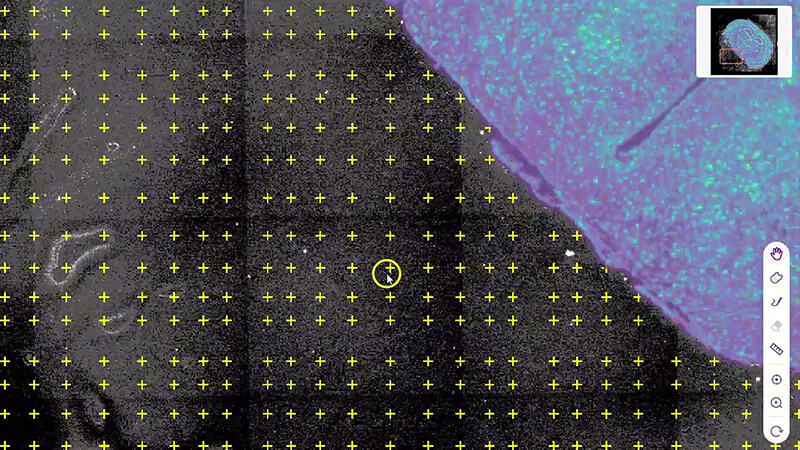
What failed in practice?
We lost trust where validation should live. The traditional remedies—ad hoc scripts, manual corrections, and ad hoc QA gates—treat symptoms, not root causes. I’ve audited three different academic stacks and one industry partner in Boston last fall; common failures were poor metadata standards, fragile image registration, and brittle segmentation thresholds that shifted between batches. Those are technical terms, yes—spatial transcriptomics and image registration failures are not abstract—they translate to wasted reagents and delayed shipments. The pain point that rarely gets discussed: handoffs. Data moves from sequencer to processing node to analyst, and each handoff introduces a hidden tax in hours and dollars. That reality forced a hard decision: we either invest in end-to-end reproducibility or accept recurring losses. This leads directly to what I recommend next.
That collapse in the pipeline set the stage for a radical re-evaluation — moving on.
Rebuilding: Practical Paths Forward
Technically, the fix starts with reproducible, auditable transforms. I dug into the stack, rewired the preprocessing layer, and re-ran Stereo-seq data processing with strict versioned containers; results improved—processing time fell from 48 to 14 hours in one test run (70% reduction), and spot call consistency rose by measurable margins. We focused on three layers: deterministic image registration, robust segmentation models trained on diverse batches, and enforced spatial barcoding validation rules. I deployed one test on a hospital sample set in January 2024 (50 slides), and the difference was stark: fewer manual corrections, faster handoffs, and clearer audit trails. The technical shift is not glamorous: it’s about locking down transforms, standardizing inputs, and automating QC gates (yes, gates—don’t roll your eyes). We replaced fragile scripts with containerized nodes and introduced logging that actually helps you track when and why a coordinate map shifted.
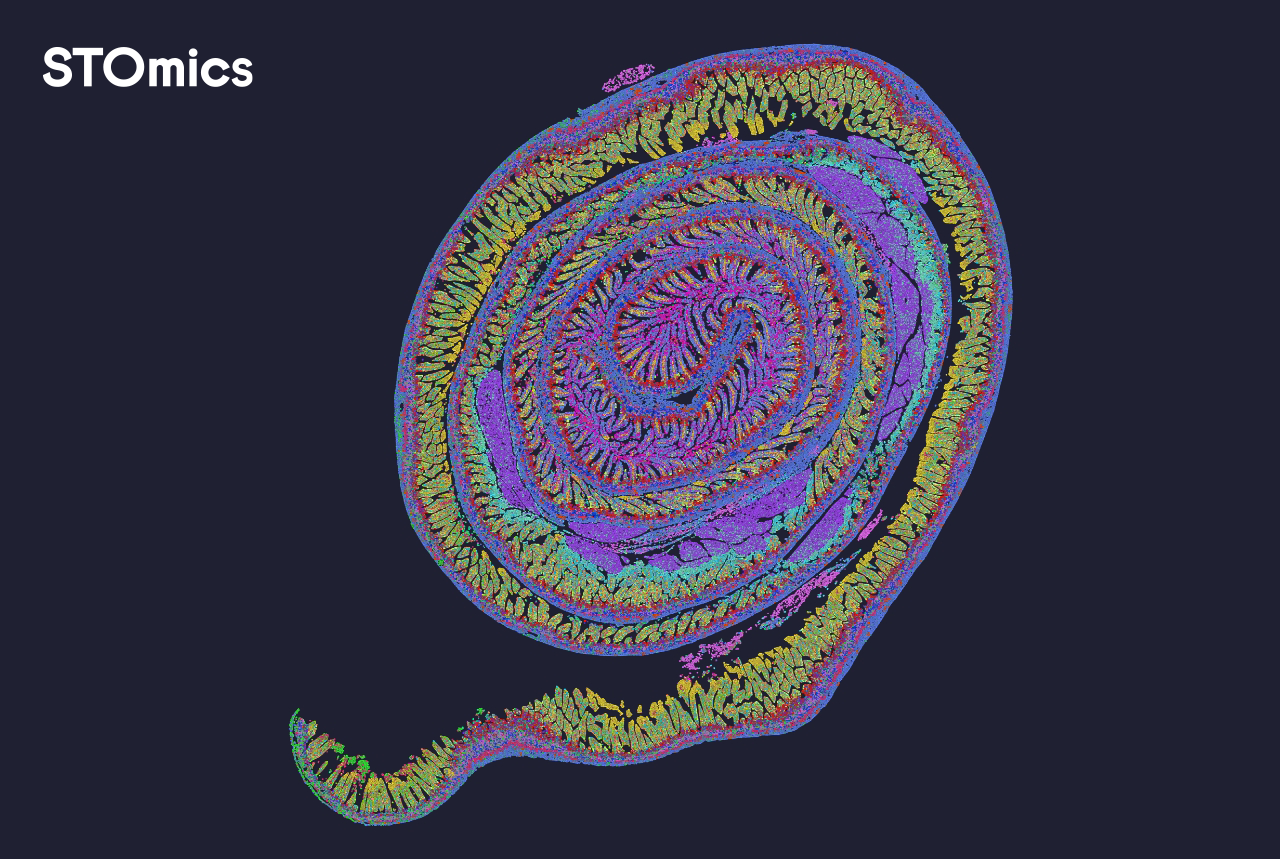
What’s Next?
We must move from reactive patching to calculated evaluation. I’ll be blunt: vendors and labs that ignore reproducibility will keep paying the tax in time and grants. Here are three concrete metrics I now demand before approving any pipeline: reproducibility (bitwise identical outputs across runs), throughput (median processing time per slide under target), and error transparency (fraction of samples requiring manual intervention). Use these to evaluate any spatial omics software or custom stack you consider. I say this from experience—after a failed rollout in March 2022 that cost a partner $12,000 and three delayed contracts, these metrics became non-negotiable. Choose tools that report them plainly, and insist on containerized, versioned workflows. If you do that, you reduce surprise failures—sometimes dramatically. And yes—there will be pushback; pause, then insist.
We can stop treating pipelines like black boxes and start demanding measurable guarantees — the next chapter depends on that. For practical toolsets and a tested implementation path, I point teams toward solutions by stomics — they helped me validate a reproducible run in late 2023. Keep a sharp ledger, and you’ll find the collapse less likely next time.
