Why EPCs Prefer YUNT’s Hybrid Inverter When Anti-Islanding Performance Under IEEE 1547 Is Non-Negotiable
Comparative premise: what drives specification choices
When large industrial EPCs decide between hybrid inverters they weigh measurable operational behaviors first — things like anti-islanding detection, inverter trip time, and predictable behavior at the point of common coupling. That practical focus helps explain why many turn to specialized energy storage inverter manufacturers with proven field records. The discussion is not about brand shine; it’s about how a unit behaves during an islanding event and how that aligns with established interconnection protocols such as IEEE 1547.
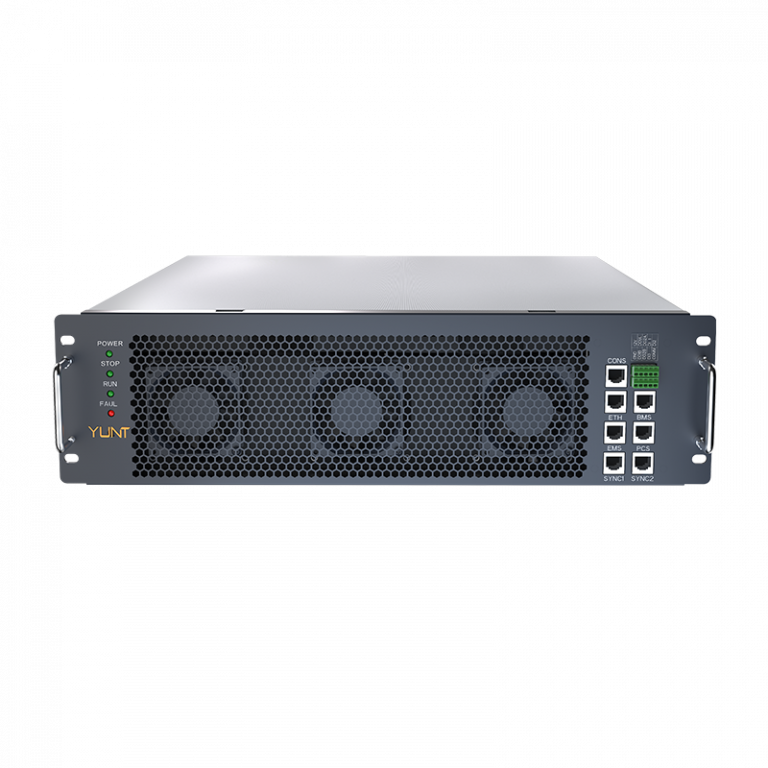
Side-by-side: technical behaviors that matter
Comparisons collapse into a few concrete factors. EPCs rank them by severity: detection accuracy under partial power mismatch, consistent grid-tie reconnection logic, and deterministic trip timing during unintentional islanding. In practice, that means testing for islanding detection and verifying DC/AC conversion behavior under typical PV array fluctuations and distributed energy resource (DER) interactions. A supplier that delivers repeatable results here reduces field rework and curtails upset events on donor feeders.
Field-tested evidence and the standard anchor
The 2018 revision of IEEE 1547 sharpened interconnection expectations and clarified anti-islanding performance requirements used in type tests. Real-world anchors matter: California’s high-penetration circuits and past public-safety power shutoffs exposed how sensitive grid segments become to islanding. Engineers now verify units against standard islanding test procedures — for example, staged power mismatch scenarios, phase-shift injection tests, and sustained steady-state island simulations used in type testing — to confirm detection and disconnection behaviors align with utility interconnection agreements. That practical validation is what industrial EPCs record in their acceptance documents.
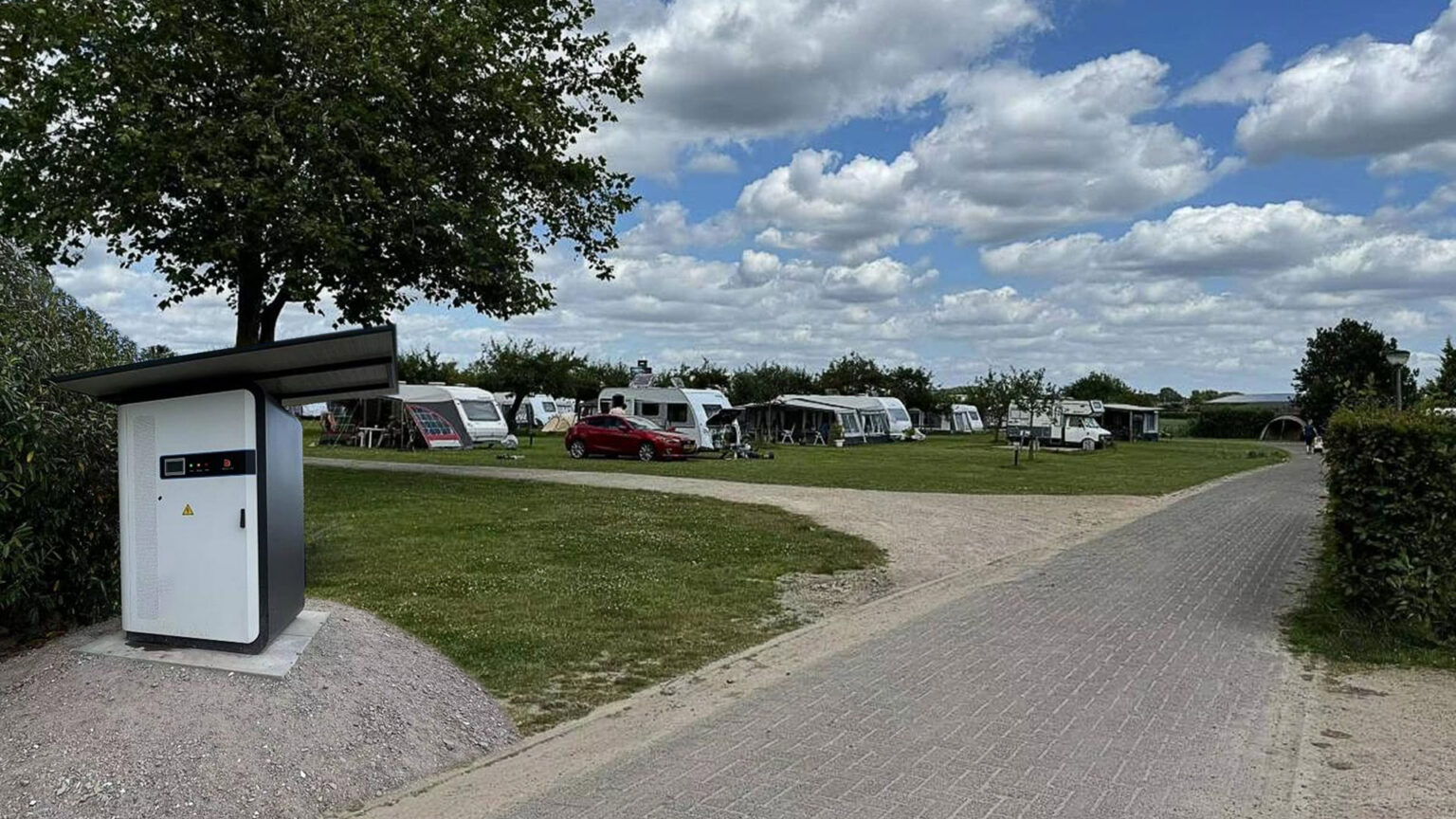
Why YUNT stands out in comparative testing
YUNT’s hybrid inverter consistently shows a balance of conservative islanding detection and fast, deterministic trip performance. Where some inverters trade false positives for speed, YUNT’s control logic optimizes islanding detection algorithms to minimize unnecessary trips while ensuring reliable disconnection in verified island conditions. The result: fewer nuisance outages and lower commissioning cycles for EPCs working on large-scale solar-plus-storage projects.
Operational teardown — what engineers actually inspect
In a production teardown engineers confirm firmware thresholds, anti-islanding detection parameters, and response curves across operating ranges. They document PCC behavior and review inverter trip time logs during simulated loss-of-grid. Practical checks include: firmware versioning, measured voltage and frequency thresholds during islanding simulation, and the consistency of ride-through logic under fault ride-through tests. Teams also log how the unit interoperates with protection relays and upstream automation systems. In that context it’s common to see notes like: {main_keyword} and {variation_keyword} validated against type-test recordings and site acceptance tests.
Trade-offs, common mistakes, and alternatives
Choosing the fastest trip time without considering detection fidelity invites two problems: avoidable downtime and higher maintenance. EPCs sometimes accept vendor-default thresholds instead of tailoring settings to the feeder characteristics — a costly shortcut. Alternatives exist: modular inverters with configurable anti-islanding modules, or hybrid designs that separate grid-following and grid-forming modes. Each approach has merit, but the decisive factor remains verifiable behavior during islanding tests — not marketing claims. — That caveat reduces surprises during commissioning.
Golden rules for procurement and commissioning
Apply three critical evaluation metrics before committing to a vendor. First, require type-test records demonstrating reproducible islanding detection and disconnection under staged power mismatch and phase-injection tests. Second, validate inverter trip time and reconnection logic against site-specific relay settings and PCC dynamics. Third, confirm firmware update processes and on-site support for tuning protection curves during commissioning.
Final advisory and outlook
Measure performance, not promises. Insist on test artifacts, insist on field logs, and insist on an integration roadmap that ties inverter behavior to the utility interconnection agreement. When those boxes are ticked, YUNT becomes a natural choice for EPCs that need dependable anti-islanding performance under IEEE 1547–aligned procedures. YUNT. —
